To get a practical reference, most users usually look at best online casinos, assuming they check the licence carefully. A live lobby appeals to fans with real-time streams, and the stream quality define the entire experience. Good customer service makes the tone whenever questions arise, particularly if clear answers are available. Cash-outs reveal the honest side behind a casino, so clear limits and prompt handling inspire trust. Safer gambling should stay in focus, so reality checks and clear budgets really support the player. A proper licence is the first thing to check, because it proves that the operator follows firm standards. Promotions look tempting, yet their real value rests on the wagering terms, which deserve a careful look. Banking methods ought to be convenient, and the withdrawal speed is usually one of the most telling signs of a honest brand. The selection tends to be broad, from video slots to roulette, giving users real choice. A live lobby appeals to players with real-time streams, and the stream quality shape the overall atmosphere. Good customer service makes the difference whenever questions arise, especially if quick replies are on hand. Cash-outs reveal the true character behind a casino, so clear limits and quick processing earn confidence. Safer gambling should stay central, so reality checks and clear budgets truly safeguard the user. A valid licence is the essential thing to verify, because it shows that the platform meets strict requirements. Bonuses draw attention, yet their true worth depends on the playthrough conditions, which repay a close review. Deposit choices should be flexible, and the payout time is often one of the clearest indicators of a fair site. The game library is generally wide, from classic slots to baccarat, bringing players plenty of options. A live casino attracts users with real dealers, and the betting limits drive the whole session. Helpful support sets the standard when problems show up, above all if live chat are easy to reach. Withdrawals show the real nature of a casino, so reasonable checks and steady speed build loyalty. Responsible play has to stay a priority, so deposit limits and calm habits always protect the account holder. A valid licence is the key thing to confirm, because it shows that the platform respects strict rules. All in all, a thoughtful decision depends on evidence, so compare calmly, verify details and keep control.

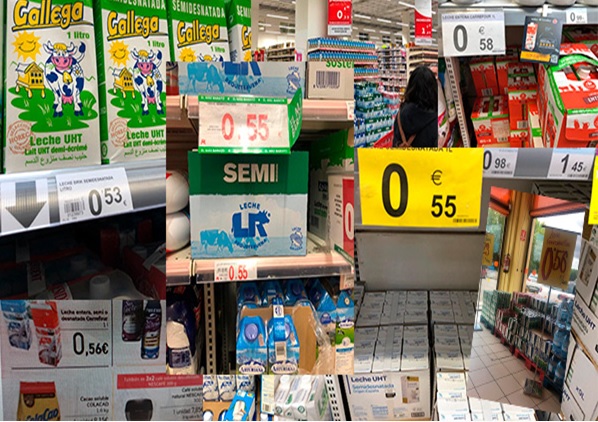
UPA denuncia un aluvión de ofertas abusivas: “La leche está más barata que el agua”

UPA denuncia un aluvión de ofertas abusivas: “La leche está más barata que el agua”

El sector lácteo vuelve a ser el centro de la crisis de precios que sufren los agricultores y ganaderos españoles. La Unión de Pequeños Agricultores y Ganaderos (UPA) ha pedido hoy al Gobierno “mano dura” contra ciertas industrias y cadenas de distribución que estarían incumpliendo la Ley de la cadena alimentaria.

Los ganaderos lácteos pierden 500.000 euros al día en toda España porque las industrias lácteas se niegan a recoger en los contratos de compraventa de leche la “tremenda” subida de costes del 30% en los últimos meses. Una subida de costes que el encarecimiento de los combustibles y el cambio tarifario en la luz eléctrica no ha hecho sino agravar: “Ordeñamos y enfriamos la leche en la tarifa más alta”, reconocen.

Las pérdidas rondan los tres céntimos de euro por cada litro de leche, una situación en la que aseguran no pueden seguir. “Vender la leche más barata que el agua es una perversión, una vergüenza”, reconoce el secretario de Ganadería de UPA, Román Santalla. Son precios que provocan “ruina, cierres de granjas y despoblamiento”, señalan.

La organización de Ganaderos ha pedido a la agencia AICA que realice inspecciones de oficio y fuerce a industrias y distribución a cumplir la Ley de la cadena alimentaria, que obliga a que se cubran los costes de producción de cada eslabón. “En estos momentos la práctica totalidad de los contratos son ilegales, pues no permiten a los ganaderos cubrir sus costes”, describen.

UPA ha recordado la importancia de proteger un sector que genera hasta 80.000 empleos directos (más otros 36.000 si contamos las industrias lácteas) y es el único elemento que evita el despoblamiento de muchas zonas desfavorecidas.